Published January 19, 2025
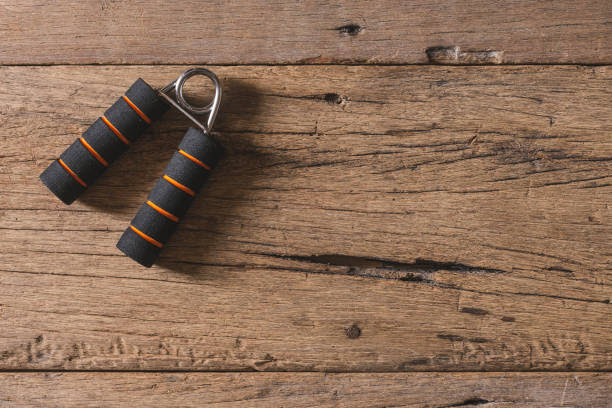
Palm readers often make the claim that the lines on your hand, especially the lifeline, can predict your longevity. However, modern medicine suggests that there is a more accurate indicator that lies not in the lines of your palm but in the strength of your grip! Recent studies have shown that grip strength is a significant predictor of overall health and longevity.
The Link Between Grip Strength and Longevity:
Research has consistently demonstrated a strong association between grip strength and various health outcomes. A study published in the Journal of Aging Research and Clinical Practice found that lower grip strength is linked to higher all-cause mortality, cardiovascular disease, and cancer mortality. Another study in the BMJ concluded that grip strength could enhance the prediction of cardiovascular mortality beyond traditional risk factors.
Measuring Grip Strength:
Grip strength is typically measured using a device called a dynamometer. For a 40-year-old individual, average grip strength varies by gender. According to normative data, the average grip strength for men aged 40-44 is approximately 103.0 pounds (46.7 kg), while for women in the same age group, it’s about 65.9 pounds (29.9 kg).
Why Grip Strength Matters:
Grip strength serves as a proxy for overall muscle strength and function. As we age, we naturally lose muscle mass and strength—a condition known as sarcopenia. This decline can lead to frailty, increased risk of falls, and decreased quality of life. Maintaining muscle strength is crucial for preserving mobility and independence in older age.
The Fight Against Sarcopenia:
Sarcopenia, the age-related loss of muscle mass and strength, typically begins around the age of 30. Without intervention, individuals can lose approximately 3% to 5% of their muscle mass per decade. This loss accelerates with age, leading to a significant decline in physical capabilities. Engaging in regular physical activity, particularly resistance training, is essential to combat this decline and maintain muscle health.
Improving Grip Strength and Overall Muscle Health:
Enhancing grip strength is part of a broader strategy to improve muscle health. Engaging in regular resistance training can help maintain and build muscle mass. Key exercises include:
Deadlifts: Target multiple muscle groups, including those in the hands and forearms, thereby improving grip strength.
Pull-Ups: Require significant grip strength and engage the upper body muscles.
Farmer’s Walks: Involve carrying heavy weights in each hand, directly enhancing grip strength.
Incorporating these exercises into your fitness routine can lead to significant improvements in muscle strength and overall health.
The Intrinsic Value of Grip Strength:
Beyond being an indicator of general health, grip strength itself is vital for daily activities, such as carrying groceries, opening jars, and maintaining balance. Improving grip strength can enhance your ability to perform these tasks, contributing to a better quality of life.
Conclusion
While palmistry might propose some intriguing claims, modern science provides tangible evidence that grip strength is a valuable indicator of health and longevity. By focusing on strengthening your grip and overall muscle health through resistance training, you can take proactive steps toward a longer, healthier life.
Remember, it’s not just about the lines on your palm but the strength within your grasp that can make a significant difference.


Leave a comment