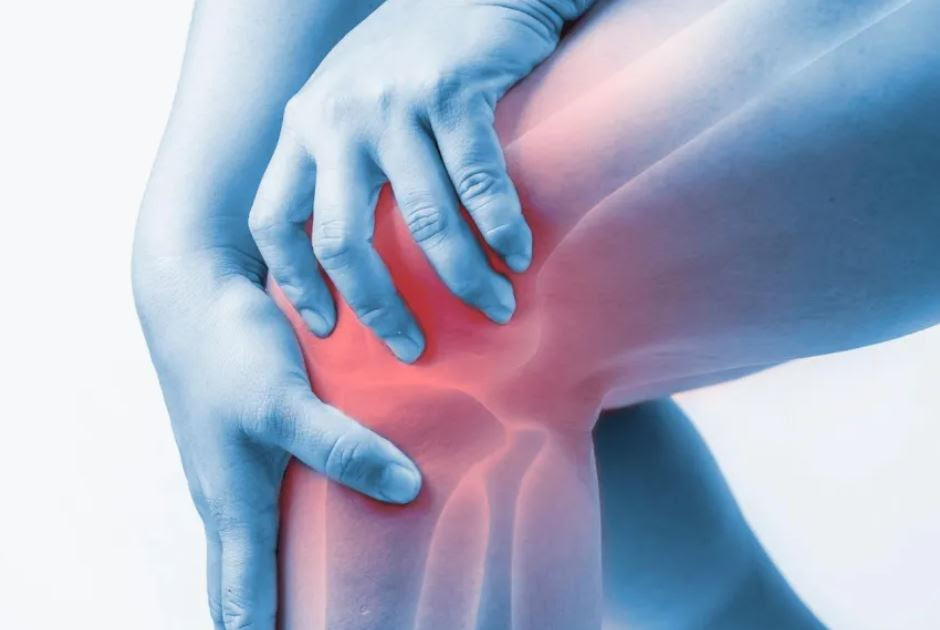
| Published June 20, 2024 Joint pain is a common concern affecting individuals of all ages, often hindering mobility and reducing quality of life. What joint pain represents can vary from case to case, however a common denominator is inflammation. I often get asked by my patients what can one take other than over the counter drugs to try to reduce inflammation. Certain supplements have gained attention for their potential to reduce inflammation and thus ease discomfort and promote overall joint health. several supplements—curcumin, boswellia, NEM, (natural egg shell membrane) and glucosamine— have gained traction in recent years and seem to be supported by scientific evidence. Additionally, the role of weight loss and strengthening exercises in supporting joint health is too important not to mention. Curcumin (Part II) I have written separately about curcumin. It is the active compound in turmeric. It has gained recognition for its potent anti-inflammatory properties, which make it a popular supplement for managing joint pain. Studies have demonstrated curcumin’s ability to inhibit inflammatory pathways in the body, thereby reducing pain and stiffness associated with conditions like osteoarthritis and rheumatoid arthritis. One study put curcumin head to head against a prescription medication (diclofenac), and found it came out at a near tie in managing arthritis symptoms. (https://www.health.harvard.edu/blog/curcumin-for-arthritis-does-it-really-work-2019111218290). Moreover, curcumin is known for its antioxidant effects, which can help protect joint tissues from oxidative stress, a contributing factor to joint degeneration. A metanalysis came to this conclusion “Curcumin, either alone or in combination with other treatments, is considered to have good clinical efficacy and safety in knee osteoarthritis treatment” (https://pubmed.ncbi.nlm.nih.gov/38036015/). Overall data suggests curcumin’s potential as a safe and effective adjunct therapy for joint pain management. Boswellia (otherwise known as Frankincense) The resin of the boswellia tree is frankincense. Also a similar extract from the same tree has been used for centuries in traditional medicine for its anti-inflammatory properties. The active compounds in boswellia, known as boswellic acids, inhibit pro-inflammatory enzymes that contribute to joint inflammation and pain (Siddiqui, 2011). Research supports boswellia’s efficacy in reducing symptoms of osteoarthritis and improving joint function without significant side effects (Ammon, 2016). The anti-inflammatory action of boswellia makes it a valuable supplement for individuals seeking natural alternatives to conventional pain management strategies. One randomized trial showed good improvement in knee arthritis with little to no side effects https://pubmed.ncbi.nlm.nih.gov/30838706/ it is available for purchase online and in health food stores. NEM (natural Egg Shell Membrane) NEM, or natural egg shell membrane, is a relatively newer supplement gaining attention for its potential to improve joint health. It contains natural components like collagen, glucosamine, and hyaluronic acid, which are essential for maintaining cartilage and joint function. Studies have shown that NEM supplementation can reduce joint pain and stiffness within a few weeks of use, supporting its role in promoting joint comfort and flexibility (Ruff et al., 2009). The combination of these bioactive components makes NEM a promising option for those looking to enhance joint mobility and reduce discomfort associated with everyday activities. One randomized study involving 60 women showed real benefit in joint pain and recovery from activities https://pubmed.ncbi.nlm.nih.gov/29497287/#:~:text=Conclusion%3A%20NEM%20rapidly%20improved%20recovery,cartilage%20degradation%20biomarker%20CTX%2DII. Glucosamine Glucosamine and chondroitin are popular supplements often used together to manage joint pain and support cartilage health. Glucosamine is a natural compound found in healthy cartilage, where it plays a role in building and repairing joint tissues. It is commonly sourced from shellfish or made synthetically for supplements. Chondroitin, on the other hand, is a major component of cartilage that helps maintain its elasticity and cushioning properties. Together, glucosamine and chondroitin are believed to promote joint lubrication and reduce inflammation, thereby alleviating symptoms of osteoarthritis and improving joint function (Richy et al., 2003). While individual responses to these supplements vary, clinical studies have shown promising results in terms of pain reduction and improved mobility, especially in individuals with mild to moderate osteoarthritis (Bruyère et al., 2002). The combination of glucosamine and chondroitin offers a holistic approach to joint health, supporting cartilage integrity and potentially slowing down the progression of joint degeneration. Weight Loss Weight management plays a crucial role in joint health, especially for individuals with conditions like osteoarthritis. Excess body weight places additional stress on joints, leading to accelerated wear and tear and increased pain. Research indicates that even modest weight loss can significantly reduce joint pain and improve mobility in overweight and obese individuals (Messier et al., 2013). By adopting a healthy diet and regular exercise routine, individuals can not only achieve weight loss but also support long-term joint health and function. Quad Strengthening Exercises In addition to supplements and weight management, targeted exercises are essential for maintaining strong and stable joints, particularly in the lower extremities. For example quadriceps strengthening exercises, such as leg presses, squats, and lunges, help improve muscle strength around the knee joint. Strong quadriceps muscles provide better support and stability to the knee, reducing the risk of injury and alleviating joint pain (Chang et al., 2014). Incorporating these exercises into a regular fitness regimen can enhance joint function and mobility, making everyday activities easier and less painful. Proper technique here is critical so as not to exacerbate an underlying injury. A future article will explore this in depth In conclusion, while joint pain can be a challenging condition to manage, there are several supplements and lifestyle modifications that can offer relief and support joint health. Curcumin, boswellia, and NEM are notable supplements backed by scientific research for their effectiveness in reducing inflammation and improving joint function. Weight management and quad strengthening exercises complement these supplements by reducing stress on joints and improving overall joint stability. By incorporating these strategies into a comprehensive treatment plan, individuals can optimize joint health and enhance their quality of life. References: – Aggarwal BB, Gupta SC, Sung B. Curcumin: an orally bioavailable blocker of TNF and other pro-inflammatory biomarkers. Br J Pharmacol. 2013;169(8):1672-1692.- Ammon HP. Boswellic acids in chronic inflammatory diseases. Planta Med. 2016;82(12-13):32-47.- Ruff KJ, DeVore DP, Leu MD, Robinson MA. Eggshell membrane: A possible new natural therapeutic for joint and connective tissue disorders. Results from two open-label human clinical studies. Clin Interv Aging. 2009;4:235-240.- Messier SP, Gutekunst DJ, Davis C, DeVita P. Weight loss reduces knee-joint loads in overweight and obese older adults with knee osteoarthritis. Arthritis Rheum. 2013;65(3):702-711.- Chang A, Hayes K, Dunlop D, Hurwitz D, Song J, Cahue S, et al. Quadriceps strength and osteoarthritis progression in malaligned and lax knees. Ann Intern Med. 2004;138(8):613-619 |
Get the Jump on Joint Pain!


Leave a comment