A Three Part Series
Part 1: Continuous Glucose Monitors
Published August 30, 2024
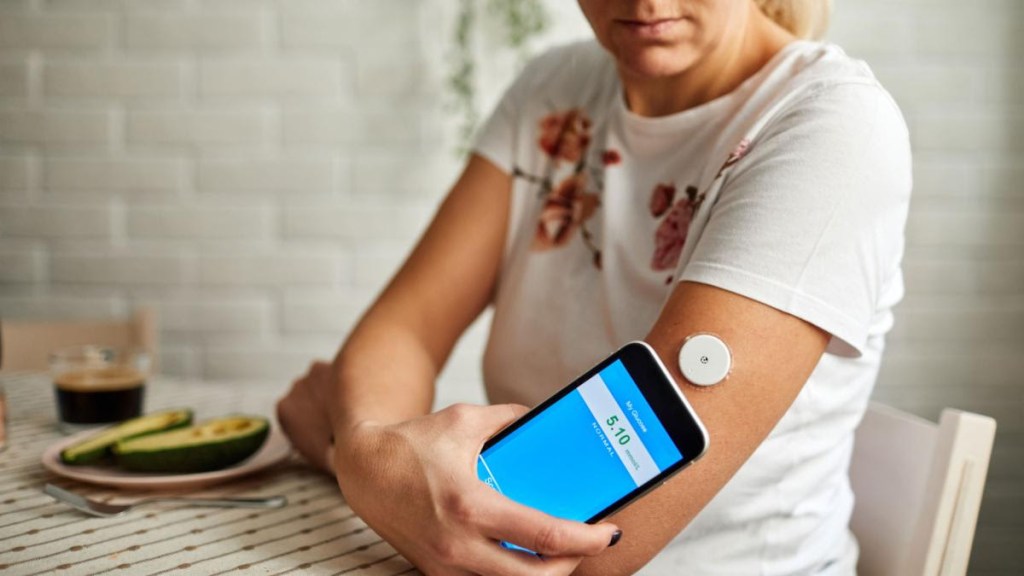
| Feedback in deciding what to feed yourself Continuous glucose monitoring (CGM) technology has revolutionized diabetes care over the past two decades. Originally designed to help individuals with diabetes manage their blood glucose levels, CGMs have evolved into sleek, user-friendly devices that offer real-time insights into glucose dynamics. While these devices were initially reserved for diabetes patients, there is growing interest in using CGMs as a general health tool, even for those without diabetes. So lets explore the utility of CGMs, their history, and their potential benefits for both diabetic and non-diabetic individuals. A Brief History of Continuous Glucose MonitoringThe concept of continuous glucose monitoring dates back over 3 decades, with the first FDA-approved CGM device emerging in 1999. This early model was bulky and cumbersome, requiring frequent calibration with fingerstick blood. It really only provided intermittent readings rather than continuous data, which limited its usefulness. The landscape began to shift in the mid-2000s with the introduction of more sophisticated systems like the Dexcom CGM. Dexcom, a pioneer in the field, introduced devices that offered more accurate, real-time glucose readings with fewer calibration requirements.Today, CGM devices are compact and user-friendly, often no larger than a coin, and they can be worn on the arm or abdomen. Modern CGMs, such as the Dexcom G6, provide continuous readings every few minutes, offering a detailed picture of glucose trends throughout the day and night (see picture). These advancements have eliminated the need for frequent finger pricks, making glucose monitoring less invasive and more convenient. How CGMs WorkContinuous glucose monitors measure glucose levels in the interstitial fluid, which is the fluid that surrounds the body’s cells. A small sensor inserted just under the skin detects glucose levels and sends this data to a smartphone app, allowing users to monitor their glucose levels in real time. The data collected by CGMs provides valuable insights into how food, exercise, stress, and other factors influence glucose levels. This information is crucial for individuals with diabetes who need to maintain improved glucose control. But it can also be useful in nondiabetics. For example it can help answer questions like: “how did that bad sleep last night affect my glucose today?” or “How will those French Fries affect my glucose over the next 2 hours?” etc. Expanding the Use of CGMs Beyond DiabetesSo in nondiabetics, CGM’s are becoming more and more popular. This expansion is supported by a body of emerging research suggesting that glucose variability—a term that refers to fluctuations in blood glucose levels—can be a marker of overall health, even in non-diabetic individuals. In a perspective study published in JAMA, some experts argued that CGMs offer little benefit to individuals without diabetes, citing the lack of robust evidence. They contended that because glucose fluctuations are typically small in nondiabetics, CGMs might not provide meaningful insights. However, proponents like Dr. Peter Attia argue that this viewpoint overlooks the potential benefits of tracking glucose in this population. Attia suggests that CGMs can reveal hidden glucose variability and spikes that are not captured by standard measures such as fasting glucose or HbA1c levels. https://peterattiamd.com/are-continuous-glucose-monitors-a-waste-of-time-for-people-without-diabetes/ The Value of CGMs for Non-Diabetic IndividualsEven individuals with “normal” glucose levels may experience fluctuations that could indicate a predisposition to metabolic dysfunction. For example, a study published in 2018 found that a significant proportion of individuals considered non-diabetic by traditional measures exhibited high glucose variability when monitored with CGMs. This variability included episodes of hyperglycemia (high blood glucose) and hypoglycemia (low blood glucose), which are often overlooked in standard testing. Another study highlighted by Attia revealed that some non-diabetic individuals spent up to 15% of their day with glucose levels in the prediabetic range. These findings challenge the notion that CGMs are only useful for those with diagnosed diabetes. By providing real-time feedback, CGMs can help individuals identify patterns in their glucose levels and make lifestyle changes. These changes can make the difference between poor health and good health. Gertting crucial feed back on a daily basis in theory and now in practice can prevent people from going down the dark road of diabetes or other metabolic conditions. Again, if you could see your glucose spike to unhealthy levels after eating certain foods, would you still eat those foods? You might, But perhaps less frequently, and perhaps you might go for a walk immediately afterwards to attenuate the glucose spike. All really good ideas for your health. Who Should Consider Using a CGM?Given the growing body of evidence supporting the use of CGMs in non-diabetic individuals, the question arises: should everyone consider using a CGM, or should it remain a tool primarily for those with diabetes?While CGMs are not necessary for everyone, they can be particularly beneficial for individuals at risk of developing diabetes, those with metabolic syndrome, or those who are simply interested in optimizing their health. For athletes, CGMs can help fine-tune nutrition and training strategies by revealing how glucose levels fluctuate during exercise. Additionally, for individuals with a family history of diabetes or cardiovascular disease, CGMs may provide early warnings of glucose dysregulation, allowing for timely intervention. The Future of CGMs in Health TrackingAs CGM technology continues to evolve, its applications in health tracking are likely to expand. Future iterations of CGMs may become even more user-friendly, less invasive, and more affordable, making them accessible to a broader population. As more research emerges, the medical community may begin to embrace CGMs as a valuable tool not only for managing diabetes but also for preventing it and optimizing overall health. In conclusion, while CGMs were originally designed for diabetes management, their potential benefits extend beyond this population. By providing detailed insights into glucose dynamics, CGMs can help individuals make informed decisions about their health and lifestyle. As our understanding of glucose variability and its implications for long-term health continues to grow, CGMs may become an integral part of health tracking for a wider audience. Whether you are managing diabetes, at risk of developing it, or simply striving to optimize your health, a CGM could offer valuable insights into your metabolic health. |


Leave a comment