A Fresh Look at Preventing Osteoporosis: Through Diet, Supplements, and Exercise!
Published November 14, 2024
When we think of bone health, especially for our older family members, the idea of lifting heavy weights might sound surprising. But according to Dr. Belinda Beck, an Australian osteoporosis researcher who recently spoke with Dr. Peter Attia on his podcast, this may be one of the most effective ways to keep bones strong. In their conversation, they dive into how exercise, nutrients, and specific dietary practices can build bone density and prevent osteoporosis—even as we age.
It’s a great listen and can be accessed here: https://peterattiamd.com/belindabeck/
Here are some of the highlights and some additions of my own:
Bone Density: Why Building it Early Matters
Osteoporosis prevention ideally starts early, with bone density peaking by the age of 30. This means that the more bone mass you build during your youth and young adulthood, the more you have to “spend” as you age. Dr. Beck emphasizes that young athletes, such as gymnasts and jujitsu practitioners, often build exceptionally strong bones due to the type of stress their bones experience during training. A 2016 PubMed study backs this up, showing that gymnasts have denser bones than non-weight-bearing athletes like swimmers, whose bones don’t experience the same level of stress. Dr. Beck notes that weight-bearing activities, including twisting and impact exercises, build up what’s known as “torsional strength,” which strengthens bone integrity over time.
Interestingly this is similar to trees. Trees that are in a windy environment where their limbs and trunk are constantly getting twisted and bent by the wind actually become much stronger. Trees growing in calmer environments where there’s no twisting or bending or actually quite thin.
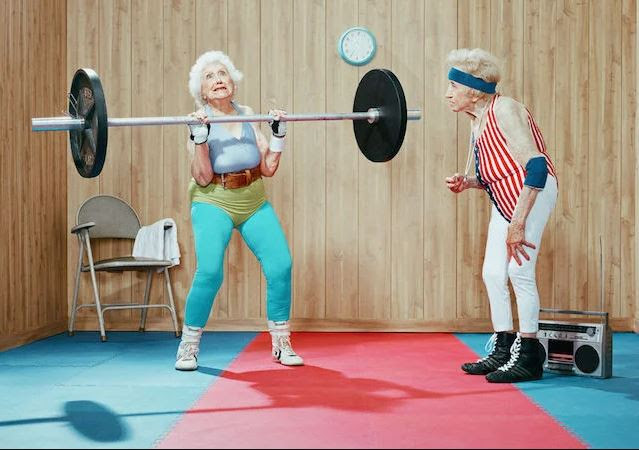
This concept explains why Dr. Beck’s research includes recommending heavy weightlifting for older adults. Under proper supervision, even those in their seventies and eighties can benefit from strength training. As bones are stressed under load, they adapt by building new bone tissue, just as muscles grow stronger with regular use.
Key Nutrients for Bone Health: Calcium, Vitamin D, and Vitamin K2
For effective bone building and maintenance, three key nutrients stand out: calcium, vitamin D, and vitamin K2. Here’s a closer look at their roles, ideal dosages, and sources:
Calcium: Building the Foundation
Calcium is an essential mineral for bone formation, and ensuring sufficient intake is crucial for both building and maintaining bone density. According to the National Institutes of Health (NIH), adults generally need around 1,000 mg of calcium per day, with recommendations increasing to 1,200 mg per day for women over 50 and men over 70.
Sources:
Dairy: One cup of milk contains about 300 mg of calcium, making dairy products a staple for meeting daily calcium needs.
Non-Dairy Alternatives: For those avoiding dairy, fortified almond or soy milk, leafy greens (like kale and collard greens), and seeds (chia, sesame) are good alternatives.
Supplements: If dietary intake is insufficient, calcium supplements can help but should be used cautiously to avoid excessive intake, which may lead to kidney stones or other issues.
Vitamin D: Supporting Calcium Absorption
Vitamin D works hand-in-hand with calcium by enhancing its absorption in the gut. According to Dr. Attia and Dr. Beck, maintaining optimal vitamin D levels is critical for bone health, with target blood levels around 50 ng/mL. Sun exposure is a natural source, though foods like fatty fish, fortified dairy, and egg yolks provide dietary vitamin D.
Vitamin K2: Directing Calcium to Bones, Not Arteries
One of the often-overlooked nutrients for bone health is vitamin K2. Vitamin K2 seems to play a critical role in directing calcium to the bones rather than the arteries, where it could contribute to plaque buildup. This concept was initially observed by Dr. Weston Price, a pioneering dentist who traveled globally to study traditional diets. He found surprisingly lower levels of dental issues and better development of the bones of the jaw in those who are not eating the standard Western diet but still getting good sources of vitamin K2 through traditional diets. When he first discovered this difference, he realized there must be a factor in the diet that was helping make the difference. He called it “Factor X,” now known as vitamin K2, which he believed directed nutrients to their correct pathways, ultimately contributing to stronger bones and healthier arteries.
Recommended Intake: For optimal bone health, 100 mcg of vitamin K2 daily is a common recommendation. Studies suggest this dosage helps activate proteins like osteocalcin, which binds calcium to the bone matrix. It also activates another enzyme in the arteries telling them “Don’t build up calcium here!”
Why do the Japanese have such strong bones and lower heart disease rates?
Specifically there are prefects/provinces in Japan where the heart disease rates are low and the bone density is high. Interestingly this overlaps almost precisely with a dietary habit of eating natto. And you guessed it natto is high in vitamin K2! Natto is a fermented soy product that provides a significant amount of K2—up to 1,000 mcg per 100 grams—making it an exceptional food for bone health. While natto’s strong taste and texture may not appeal to everyone, other sources include fermented cheeses and egg yolks.
Stress and Bone Health: Why Weight-Bearing Exercise Matters
Again, bone density doesn’t just rely on nutrients; it also responds to physical stress. Dr. Beck explains that bones are living tissues that adapt to the forces exerted on them. Studies cited on PubMed show that athletes in high-impact or resistance sports, like gymnasts and jujitsu practitioners, develop much stronger bones than those in non-weight-bearing sports like swimming.
This principle is why Dr. Beck advocates for weight-bearing and resistance exercises to stimulate bone growth. Even for older adults, strength training exercises like deadlifts, squats, and resistance band workouts can improve bone density and reduce osteoporosis risk. This approach is increasingly popular in osteoporosis prevention programs, as bones remain adaptable to stress even in later life.
Practical Tips for Getting Started
Building and maintaining bone health can be simplified into a few actionable steps:
1. Assess Your Nutrient Intake:
Make sure you’re getting around 1,000–1,200 mg of calcium daily through diet or supplements.
Aim for 50 ng/mL of vitamin D in blood tests, achievable through a mix of safe sun exposure, diet, and supplements if needed.
Incorporate 100 mcg of vitamin K2 daily from sources like natto, fermented cheeses, or supplements if dietary intake is low.
2. Include Weight-Bearing Exercise: Consider adding weight-bearing and resistance exercises to your routine, such as brisk walking, light weightlifting, or resistance band exercises. Remember that even low-impact exercises like walking can help maintain bone health.
If you’re over 65 or have osteoporosis, consult with a healthcare provider or physical therapist to design a safe exercise program that builds strength without risking injury.
3. Regular Monitoring: Regular bone density screenings can help you monitor changes in bone health and allow for adjustments to your exercise or dietary routine.
A New Perspective on Aging and Bone Health
Dr. Beck’s work with older adults demonstrates that it’s never too late to build stronger bones. While osteoporosis has often been considered inevitable with age, studies now show that consistent exercise, adequate calcium, and vitamins D and K2 can help maintain and even improve bone density.
So, how much could your grandma deadlift? With the right nutrition and exercise, she may surprise you! By prioritizing bone health through nutrient-rich foods, daily movement, and perhaps a little weightlifting, we can all look forward to stronger bones and a healthier, more resilient future.
Image credit: Photograph by Dean Bradshaw


Leave a comment