Published September 22, 2024
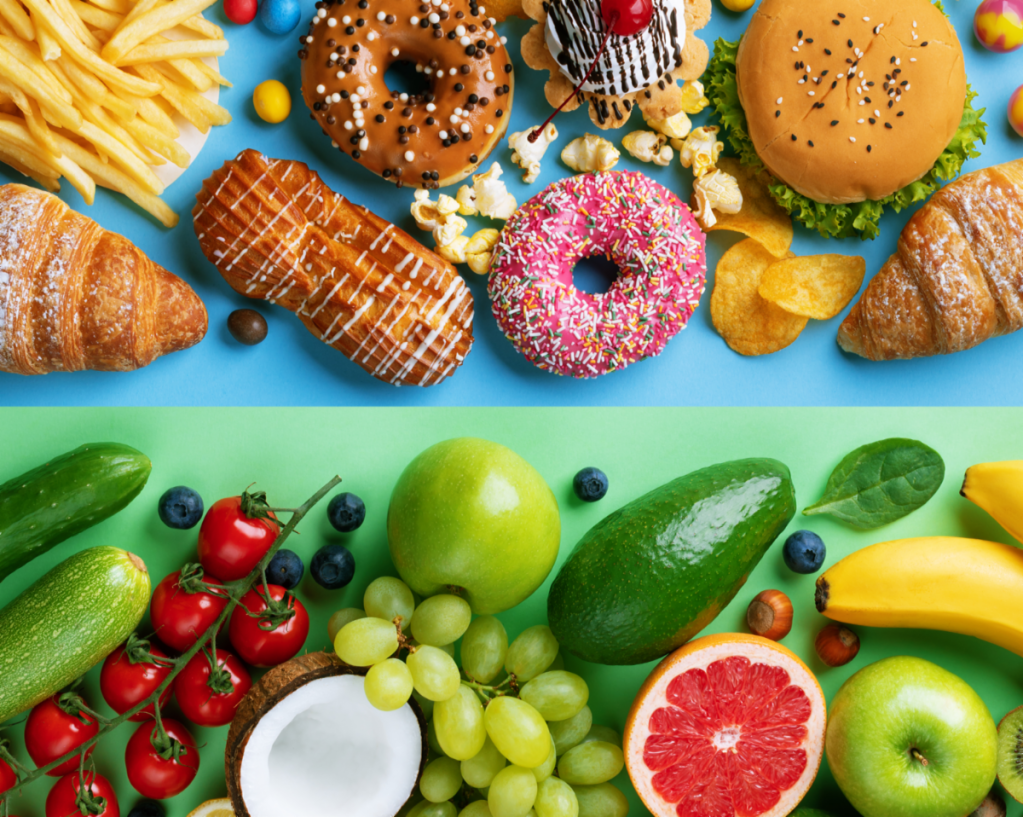
Whole foods Win!
In our fast-paced world, convenience often trumps health when it comes to our food choices. However, the increasing prevalence of processed foods in our diets is a growing concern for health professionals worldwide. We all know the importance of avoiding processed foods and embracing whole, minimally processed alternatives for optimal health but if we take some time to really look into what’s really happening to us when we eat unprocessed foods we might feel more motivated to make the change to healthier unprocessed foods.
Understanding Processed Foods: The NOVA Classification
To better understand processed foods, let’s explore the NOVA classification system, developed by researchers at the University of São Paulo, Brazil. This system categorizes foods into four groups based on their level of processing:
1. Unprocessed or minimally processed foods: These include fresh fruits, vegetables, nuts, seeds, eggs, and milk. They may undergo minimal processing like cleaning, cutting, or pasteurization.
2. Processed culinary ingredients: This category includes oils, vinegar, sugar, and salt – ingredients typically used in cooking but not consumed on their own.
3. Processed foods: These are made by adding sugar, oil, or salt to Group 1 foods. Examples include canned vegetables, fruits in syrup, or salted nuts.
4. Ultra-processed foods: These are industrial formulations made with little or no whole foods. They often contain additives like preservatives, emulsifiers, and artificial colors. Examples include soft drinks, packaged snacks, and many ready-to-eat meals.
The primary concern lies with ultra-processed foods, which have become increasingly prevalent in modern diets.
The Health Impact of Ultra-Processed Foods
Numerous studies have linked high consumption of ultra-processed foods to various health issues. Here are some alarming statistics:
1. A 2019 study published in the BMJ found that for every 10% increase in ultra-processed food consumption, there was a 12% increase in cancer risk.
2. Research from the NutriNet-Santé cohort study showed that a 10% increase in the proportion of ultra-processed foods in the diet was associated with a 14% higher risk of all-cause mortality.
3. A 2019 National Institutes of Health study found that people on ultra-processed diets consumed about 500 more calories per day compared to those on unprocessed diets.
4. A 2022 study in Neurology revealed that individuals who consumed the most ultra-processed foods had a 28% faster rate of cognitive decline and a 25% faster rate of executive function decline compared to those who ate the least.
These statistics underscore the importance of minimizing ultra-processed foods in our diets.
Embracing Whole Foods
Transitioning to a diet rich in whole, unprocessed foods close to the way God made them doesn’t mean sacrificing flavor. Here are some examples of tasty, nutritious meals made from minimally processed ingredients:
1. Breakfast: Overnight oats with fresh berries, chia seeds, and a dollop of Greek yogurt.
2. Lunch: Quinoa salad with roasted vegetables, chickpeas, and a homemade lemon-olive oil dressing.
3. Dinner: Grilled salmon with sweet potato mash and steamed broccoli.
4. Snack: Apple slices with almond butter or homemade trail mix with nuts and dried fruits.
These meals are not only delicious but also provide a wide array of nutrients essential for optimal health!
The Need for Policy Change
While individual choices are crucial, addressing the prevalence of ultra-processed foods requires systemic change. Several studies highlight the importance of policy interventions:
1. A 2021 study in the Lancet suggested that implementing stricter regulations on ultra-processed food marketing could prevent 11.2% of premature death attributable to unhealthy diets.
2. Research published in PLOS Medicine in 2020 found that a 20% tax on ultra-processed foods could potentially reduce obesity rates by 2.4% after five years.
3. A systematic review in the American Journal of Clinical Nutrition concluded that food labeling policies, particularly front-of-pack labels, can effectively reduce the purchase and consumption of ultra-processed foods.
These findings underscore the need for comprehensive policy approaches to create environments that support healthier food choices. It is an uphill battle as well when we know that food and beverage companies give billions (37.7 billion in 2023) to lobby the government to support the distribution of their products.
Conclusion
The evidence is clear: ultra-processed foods pose significant risks to our health. By understanding the NOVA classification, recognizing the potential health impacts, and making conscious choices to incorporate more whole foods into our diets, we can take significant steps towards better health. Remember, small changes can lead to big improvements over time!
As you probably have already found out, I am a big believer in the power of lifestyle changes and I highly encourage you to reflect on your current diet and consider ways to reduce your intake of ultra-processed foods. If you have any questions or need guidance on making dietary changes, please don’t hesitate to reach out.


Leave a comment