Oral Devices for Sleep:
A Crucial Tool for Restorative Health
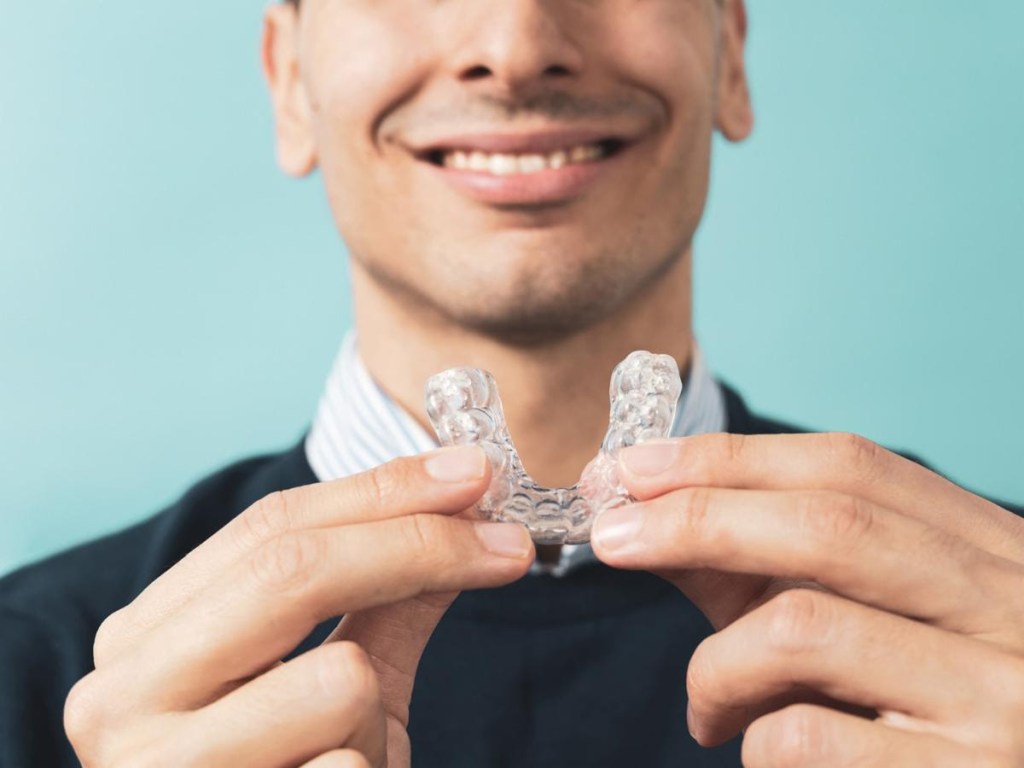
| Published September 14, 2024 Sleep is one of the most fundamental physiological processes shared across the animal kingdom. Every animal, from humans to the smallest creatures, engages in some form of sleep, signifying its universal importance. Sleep is the body’s mechanism for recovery and healing, essential for cognitive function, metabolic regulation, and immune system performance. Inadequate sleep, whether due to lifestyle factors or medical conditions such as obstructive sleep apnea (OSA), can have profound impacts on health. Among the tools available for improving sleep in individuals with sleep-related breathing disorders are oral mandibular advancement devices, such as ProSomnus. I feel this company is the best one out there but overall these devices offer promising non-invasive solutions for sleep-disordered breathing and OSA, significantly improving patient outcomes. The Importance of Sleep Sleep is a complex biological process that serves multiple restorative functions. During sleep, the body engages in repair mechanisms, including muscle recovery, the consolidation of memories, and the regeneration of tissues. The brain processes your experiences from the day, strengthens synaptic connections, and clears out metabolic waste products. Adequate sleep also supports the immune system by regulating inflammatory processes, thus contributing to long-term health and disease prevention. Beyond its restorative properties, sleep is essential for maintaining circadian rhythms, the natural cycles that regulate physiological processes like digestion, hormone release, and body temperature. Disruption to sleep, whether in quality or duration, can impair these cycles, resulting in increased risks for cardiovascular diseases, diabetes, depression, and cognitive decline. In the animal kingdom, sleep varies in length and style. Some animals, like dolphins, exhibit unihemispheric sleep, where one hemisphere of the brain remains active while the other rests. In contrast, humans and most mammals require full cerebral disengagement from consciousness, demonstrating the adaptive value of sleep across species. Understanding Obstructive Sleep Apnea (OSA) One of the most prevalent sleep disorders, obstructive sleep apnea (OSA), affects millions globally. OSA is characterized by repeated episodes of partial or complete obstruction of the upper airway during sleep, leading to reduced airflow and frequent arousals from sleep. Common symptoms include loud snoring, gasping for air during sleep, and excessive daytime sleepiness. The consequences of untreated OSA are far-reaching, affecting cardiovascular, metabolic, and cognitive health. OSA is closely linked to hypertension, heart failure, arrhythmias, stroke, and metabolic disorders such as insulin resistance and type 2 diabetes. Furthermore, individuals with OSA are at higher risk for depression and impaired cognitive function, which can affect their quality of life and increase the likelihood of accidents. As the condition disrupts sleep architecture, individuals are deprived of the restorative phases of sleep, further compounding its impact on overall health. Oral Mandibular Advancement Devices: A Non-Invasive Solution One of the most effective non-invasive treatments for OSA is the use of oral mandibular advancement devices. These devices are custom-fitted to patients and function by repositioning the lower jaw (mandible) forward, thereby increasing the space in the airway and reducing the likelihood of airway collapse during sleep. Among the available options, I recommend ProSomnus as a notable example of a mandibular advancement device (MAD). It has been extensively studied for its efficacy in treating OSA I have found it very effective myself. ProSomnus devices are custom-made from medical-grade materials, and are both comfortable and durable. Unlike traditional Continuous Positive Airway Pressure (CPAP) machines, which are cumbersome for many users, ProSomnus and other MADs offer a more user-friendly and less invasive alternative. The devices are small, easy to transport, and do not require electricity or mechanical parts, making them more convenient for patients, especially those who travel frequently or prefer a minimalist approach to sleep therapy. Studies have shown that ProSomnus and other similar devices can significantly improve oxygen saturation levels during sleep, reduce apneic episodes, and enhance overall sleep quality in individuals with mild to moderate OSA. For patients with severe OSA, these devices can be an adjunct therapy or an alternative when CPAP therapy is not tolerated. Clinical Evidence and Research A 2021 study published in Chest, a leading peer-reviewed journal in pulmonary and critical care medicine, demonstrated the effectiveness of the ProSomnus oral appliance in reducing the apnea-hypopnea index (AHI) in patients with mild to moderate OSA. In this study, participants who used the ProSomnus device reported a marked improvement in sleep quality, daytime alertness, and overall well-being. The device’s ability to significantly reduce AHI compared to baseline was comparable to CPAP therapy, particularly in patients who found CPAP difficult to tolerate. Additionally, research has highlighted that compliance with oral devices such as ProSomnus is higher than with CPAP, which enhances long-term outcomes for individuals suffering from OSA. As the medical community continues to explore the benefits of these devices, they are emerging as a viable alternative for those seeking relief from the debilitating effects of OSA. Conclusion Sleep is critical for health and well-being, and for individuals suffering from OSA addressing the root causes of sleep disruption is paramount. As someone who has personally discovered the benefits of oral mandibular advancement devices I can definitely attest that they offer a promising solution for those who suffer from OSA but are unable or unwilling to use CPAP machines. As research continues to validate their effectiveness, these devices are becoming an integral part of sleep medicine, helping patients achieve the restorative sleep they need for optimal health. |
 |


Leave a comment