Published April 11, 2025
First and foremost, I want to extend my sincere gratitude to all of you who reached out with kind words, prayers, and thoughtful emails over the past couple of weeks. On Monday, April 7th, 2025, my family and I attended my mother’s funeral in Toronto, Canada. It was a deeply meaningful and emotional time for us and I truly felt uplifted by your support. I’ve always said we have the most amazing patients — and this past week, that became more real to me than ever. Thank you.
I returned to Virginia this week, carrying a mixture of emotions — a sense of peace, the reassurance of God’s grace and yes, a bit of fatigue. I found myself reflecting on many things, including the fragile beauty of health, family, and the things we do for each other that get through challenging times.
As if on cue, I also began to come down with a mild cold. Sore throat, runny nose — the usual springtime viral suspects. Over the past couple of years, I’ve been experimenting with using Lion’s Mane mushroom (Hericium erinaceus) at the first sign of illness. And interestingly, I’ve noticed that it seems to attenuate the severity and duration of my colds. Could there be science behind this? Let’s explore.
What Is Lion’s Mane?
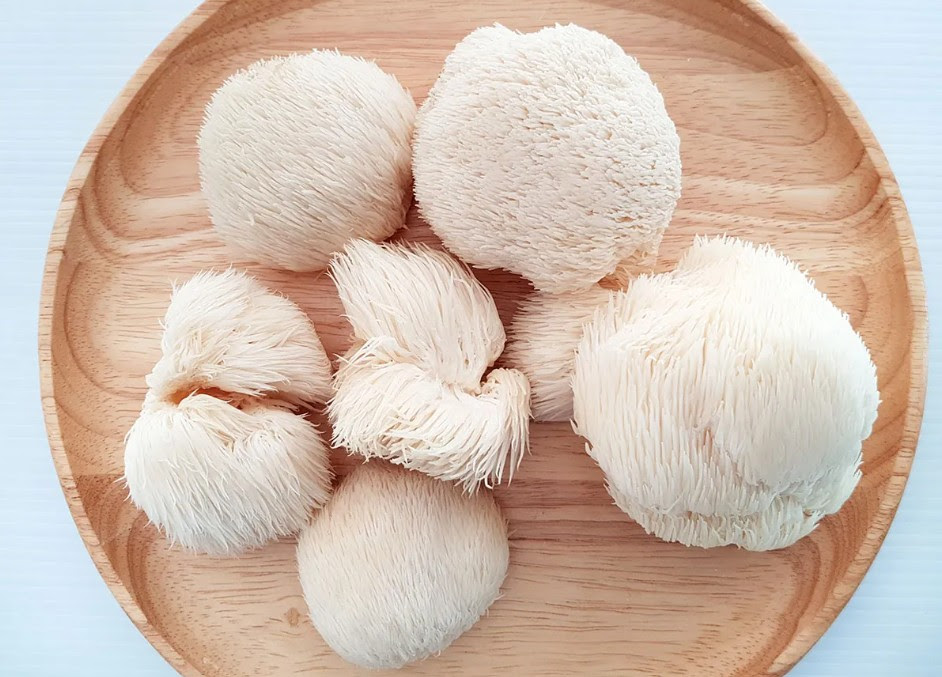
Lion’s Mane refers to the mushroom species Hericium erinaceus, a distinctive-looking fungus with white, cascading spines that resemble the mane of a lion. It’s found growing on hardwood trees in late summer and fall — and yes, it can even be spotted right here in Virginia! So for the nature walkers among you: keep an eye out on old logs and beech trees — this fascinating mushroom may be growing in your own backyard.
In Asian cultures, Lion’s Mane has long been revered for both its culinary and medicinal uses. But only in the past two decades has Western science begun to validate what traditional medicine practitioners have claimed for centuries.
The Science Behind Lion’s Mane
What makes Lion’s Mane so intriguing? It contains a number of bioactive compounds, including:
- Erinacines – found mostly in the mycelium (underground structures)
- Hericenones – found in the fruiting body (what you see above ground)
- Polysaccharides and antioxidants
These compounds have shown neuroprotective, anti-inflammatory, and immunomodulating properties in lab studies and animal models.
One 2023 study published in Nutrients examined both the acute and chronic effects of Lion’s Mane supplementation in young adults. The results suggested improvements in cognitive function, mood, and stress resilience — particularly with regular use over several weeks. This aligns with traditional claims that Lion’s Mane acts as a “brain tonic.”
Another 2023 paper in Molecules studied a rich extract of Lion’s Mane in a Parkinson’s disease model and found reduced oxidative damage in brain cells exposed to environmental toxins. While these are early findings, they suggest potential neuroprotective benefits — particularly relevant in neurodegenerative diseases like Parkinson’s and Alzheimer’s.
A 2015 review in the Journal of Agricultural and Food Chemistry also highlighted how compounds in Hericium erinaceus stimulate the production of nerve growth factor (NGF) — a key molecule involved in brain repair, learning, and memory.
Nootropic Potential — Focus, Mood, and Beyond
Lion’s Mane is often grouped in the category of nootropics — substances that enhance cognitive function, focus, or memory. Unlike stimulants like caffeine, Lion’s Mane is thought to build brain resilience over time rather than providing an immediate jolt. Some users report clearer thinking, improved focus, or better recall after using it. I seem to notice the effects the same day I take it.
It may not be a miracle mushroom (but it does have some interesting properties). Some may find it helpful; others may not. In general, I view Lion’s Mane as a potentially worthwhile supplement. It can be used occasionally especially during times of increased cognitive demand, stress, or early illness when immune support and mental clarity are valued. Some who are looking for neuroprotection may opt to use it more regularly.
Is It Safe?
Lion’s Mane is generally well tolerated, but some people may experience mild digestive upset or allergic reactions, especially if they have mold or mushroom sensitivities.
If you’re taking medications that affect immune function, blood sugar, or mood, it’s always a good idea to check in with me first before starting this one.
Typical dosage ranges from:
- 500 mg to 1,000 mg per day of extract (the local Health Nut store sells Lion’s Mane)
- Some use dried whole fruiting body in teas or capsules
When buying, look for products that specify fruiting body content, and avoid vague “mushroom complex” blends that don’t clearly label dosage.
Final Thoughts
Research into Lion’s Mane is still in its early days, but the findings are promising — especially for brain health, mood, and potentially even immune modulation. For now, I’ll continue to keep it on hand during cold and flu season, and I believe occasional use during times of stress or recovery has benefits
I encourage you to talk with me if you’re interested in nootropics like Lion’s Mane, or if you’re looking for personalized strategies to stay sharp and energized — especially as we head into the vibrant, yet busy, spring season.
Thank you again for all your support. May God bless you
Warmly,
Dr. Jeffrey Ponke


Leave a comment