(sung to the tune of Barbara Ann by the Beach Boys)
Published June 8, 2026
Ok so now this tune should be stuck in your head (your welcome). Should you have the name “berberine” now stuck in your head on an infinite playback loop? Well maybe, because I think it’s shaping up to be a game-changer.
Berberine has been quietly making waves in the research world for years, but the past twelve months have brought findings I genuinely did not expect. Findings that touch on heart disease, blood sugar, colon cancer prevention, and weight management all at once. This is rare. Most supplements have a niche. Berberine seems to have several.
Let’s talk about it.
What Is Berberine?
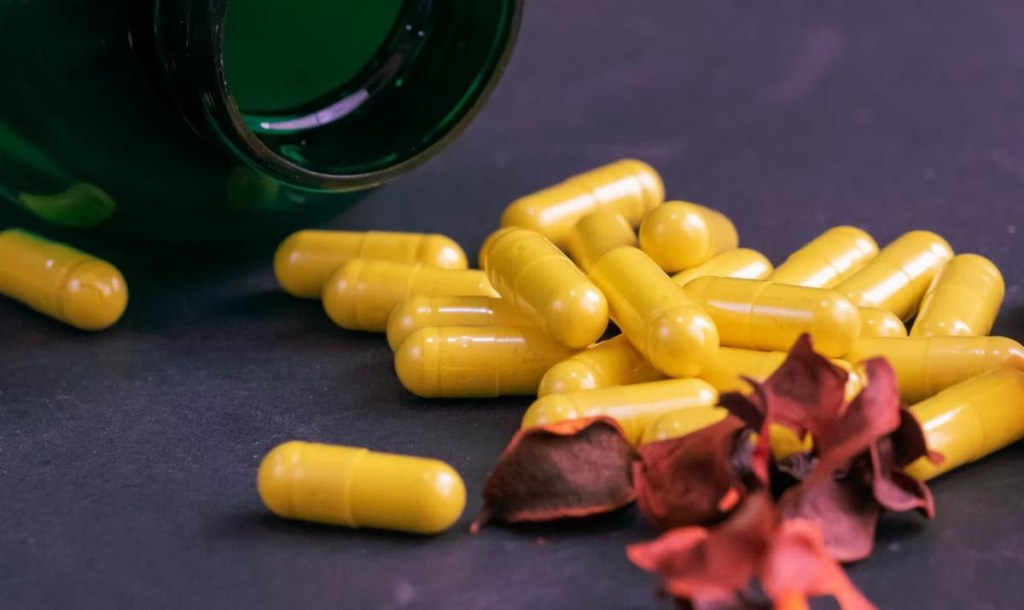
Berberine is a natural compound extracted from plants like goldenseal, barberry, and Oregon grape. It has a distinctly bitter taste and a bright yellow color and it has been used in traditional Chinese and Ayurvedic medicine for thousands of years, primarily for infections and digestive complaints.
Modern science, however, has rediscovered it for very different reasons.
The Heart Connection: Is Berberine Actually Shrinking Plaque?
This is the first one that caught my eye
Atherosclerosis is the gradual buildup of fatty plaque inside your arteries and is the single biggest driver of heart attack and stroke. Most of our treatments focus on slowing it down, not reversing it. Statins, for example, can stabilize plaque and reduce events, but true regression of established plaque is rare and hard to achieve. If we find something that can melt away plaque – I would call this the Holy Grail of modern medicine.
So what do we make of a 2022 human study published in a peer-reviewed journal in which 21 patients with confirmed atherosclerosis took berberine 500 mg twice daily for just four months and saw an average plaque score decrease of 3.2%? Meanwhile, the control group on rosuvastatin plus aspirin actually saw plaque scores increase by 1.9% over the same period. These are small numbers and an early study, but they represent a direction that is genuinely unexpected.
The mechanism appears to involve the gut. Berberine interferes with a pathway in your gut bacteria that produces a molecule called TMAO (trimethylamine-N-oxide). TMAO is a known driver of arterial inflammation and plaque formation. By reducing TMAO levels by 35-37% in the study above, berberine appears to be fighting atherosclerosis from the inside out, working almost like a nutrient the gut was really looking for.
A 2025 study published in Frontiers in Pharmacology added another layer: berberine reduces plaque area in animal models by activating a cellular cleanup process called autophagy essentially helping the body’s own maintenance crew clear out the foam cells and lipid debris that make plaques dangerous.
The human plaque regression data is preliminary. But the mechanistic story is coherent, the direction is promising – for patients who are statin-intolerant or interested in complementary approaches, this deserves a serious look.
The Colon Cancer Surprise: Protection That Lasts Years After You Stop
This one may be the most remarkable finding of the past year, and it comes from a journal called Cell Reports Medicine.
A large randomized clinical trial, the CBAR trial, originally gave patients who had undergone colon polyp removal either berberine 500 mg twice daily or placebo for two years. The original results showed berberine significantly reduced the recurrence of adenomas (the polyps that can progress to colon cancer).
But the researchers did not stop there. They followed up with 781 of those original participants six to eight years after the two-year treatment had ended meaning berberine had been stopped for years. Published in August 2025, the results showed that those who had taken berberine still had a meaningfully lower adenoma recurrence rate 34.7% versus the placebo group. The protective effect persisted long after the supplement was discontinued!
Colorectal cancer is the third most common cancer in the United States, with roughly 154,000 new cases expected in 2025. Adenomatous polyps are the precursors. If a simple, inexpensive supplement taken for two years after polypectomy can reduce the likelihood of those polyps coming back and coming back as cancer, that is a meaningful public health story.
Separate research published in Frontiers in Microbiology in 2025 explores how berberine may specifically counteract Fusobacterium nucleatum, a gut bacteria increasingly linked to colorectal cancer development and progression. The mechanisms are still being worked out, but the picture being painted is one of berberine reshaping the gut environment in ways that may prevent cancer formation.
If you have had polyps removed and are thinking about what you can do between now and your next colonoscopy, this is worth considering. Or if you just would like to reduce your chances of every having polyps, again this may be worth considering
Blood Sugar: The Original Reason Researchers Got Excited
Before all of this, berberine built its reputation in diabetes and blood sugar management and the evidence here is the strongest and most consistent.
A clinical trial of berberine as a stand-alone treatment for type 2 diabetes found HbA1c dropped from 9.5% to 7.5% over three months. Fasting blood glucose dropped from around 191 to 124. After-meal glucose fell dramatically as well. A comprehensive 2025 review in the journal Pharmaceuticals summarized multiple trials reaching similar conclusions, noting efficacy comparable to metformin.
How does it work? Several mechanisms:
First, berberine activates an enzyme called AMPK, the same master metabolic switch that exercise activates. This improves insulin sensitivity and helps muscle and liver tissue pull glucose out of the bloodstream more efficiently.
Second, berberine appears to stimulate GLP-1 secretion from the gut. GLP-1 is the same hormone that drugs like Ozempic are designed to mimic. Berberine does this naturally and through a different pathway not with the dramatic potency of a pharmaceutical GLP-1 agonist, but it is a real effect.
Third, it reshapes the gut microbiome in favorable ways, increasing bacteria like Akkermansia and short-chain fatty acid producers that support metabolic health.
For my patients with prediabetes or those who are trying to avoid or reduce medication, berberine offers a credible, evidence-supported option. For those already on metformin, there is research suggesting the combination may work better than either alone. For those who simply want to optimize metabolic health proactively, it is one of the more reasonable things you could add to your regimen.
Weight Loss: Honest Expectations
Berberine does produce modest, statistically significant weight loss in clinical trials. A review of 18 studies found average reductions of roughly 1 to 3 kilograms (about 2 to 7 pounds) over two to six months, with better results at doses over 1 gram per day taken for more than eight weeks. It is not Ozempic level – but it is consistent.
What berberine appears to do is improve the metabolic environment, better insulin sensitivity, lower blood sugar, and improve lipid profiles which over time may make it easier for the body to release stored fat and maintain a healthier weight. Think of it as improving the metabolic soil, not a direct fat-burning agent.
If modest weight support, better blood sugar, and improved heart and colon health all come in the same bottle, that is a meaningful value proposition.
Dosing and Practical Notes
The most studied dosing is 500 mg two to three times daily, taken with or just before meals. Berberine has poor absorption on its own, so taking it with food helps. Some formulations pair it with other things to try and improve bioavailability.
Common side effects are primarily gastrointestinal constipation, loose stool, or mild stomach discomfort especially when starting. Starting at a lower dose and working up is reasonable.
A few important cautions: berberine can lower blood sugar significantly and should be used carefully alongside diabetic medications to avoid hypoglycemia. It also interacts with certain medications including blood thinners and immunosuppressants. If you are on multiple medications, please discuss this with me before starting.
Berberine should not be used during pregnancy.
Pulling It Together
Here is what strikes me most about berberine: it is not a one-trick pony. This same compound appears to help stabilize arterial plaque and is also reducing colon polyp recurrence, lowering blood sugar, and nudging metabolism in a favorable direction. The unifying thread is its profound effect on the gut microbiome. Berberine seems to fundamentally change the gut environment in ways that have downstream effects throughout the body.
God made us with remarkable complexity. The gut is its own ecosystem and the research increasingly suggests that much of our chronic disease burden is rooted in a disrupted one. Berberine appears to be one of the more studied tools we have for restoring that ecosystem in a meaningful way.
this one has risen to a top supplement to consider.
…You got me rockin’ and a-rollin’ Rockin’ and a-reelin’, Berberine.
Blessings, Dr. Jeff Ponke, MD


Leave a comment