Published March 12, 2026
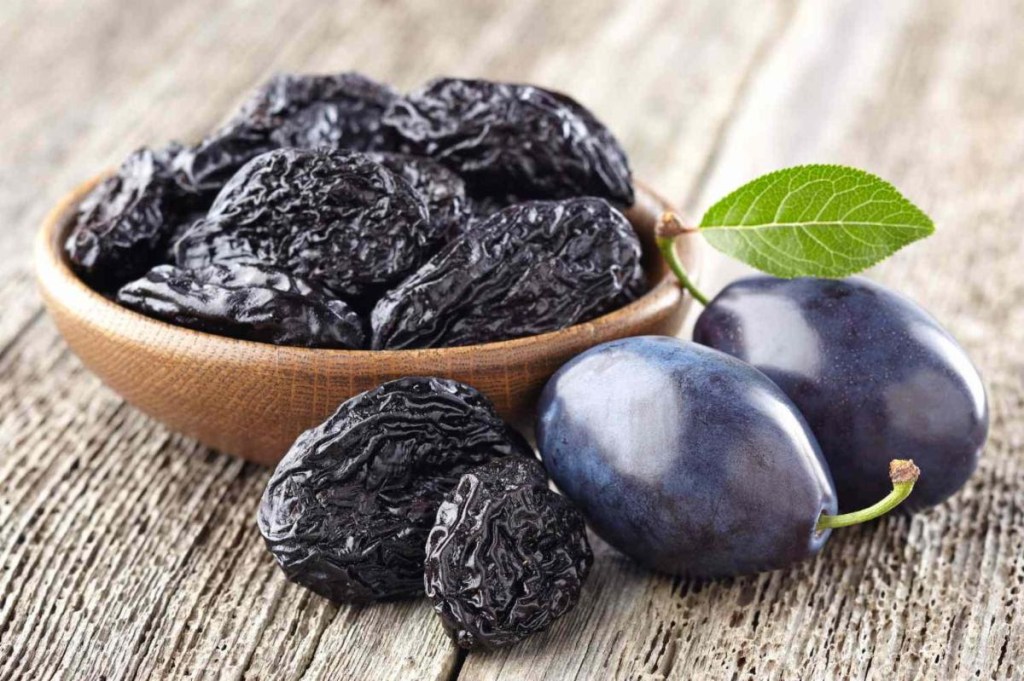
If someone told you that eating five or six prunes a day could meaningfully protect your bones from fracture, you might smile politely and move on. It sounds like something your grandmother would say. But the science behind this humble dried fruit is quietly becoming one of the more compelling stories in bone health research — and it deserves your attention.
Osteoporosis is no small problem. Roughly 10 million Americans have it, and another 44 million have low bone density that puts them at risk. A hip fracture in an older adult is genuinely life-altering — up to 30% of patients die within a year of a major osteoporotic fracture. So when researchers find something safe, inexpensive, and effective at protecting bone, we should listen carefully.
The Surprising Research
Over the past two decades, a growing body of research — much of it coming from Penn State University and Florida State University — has shown that dried plums, commonly known as prunes, have a remarkable ability to preserve and even restore bone density. This was initially discovered in animal studies, where prunes consistently prevented bone loss and maintained bone strength in ways that surprised researchers.
The human data followed. In one well-designed clinical trial, postmenopausal women who ate 100 grams of prunes daily (roughly 10 to 12 prunes) for one year showed significantly better preservation of bone mineral density in the ulna and spine compared to those who did not. A more recent trial, published in the American Journal of Clinical Nutrition, looked at 235 postmenopausal women over 12 months and found that even the smaller dose of 50 grams daily — about five or six prunes — was enough to prevent significant bone loss and reduce bone turnover markers. Importantly, this group also showed lower levels of a key inflammatory marker called TNF-alpha, which is known to accelerate bone breakdown.
What is remarkable is that no pharmaceutical company is funding these studies. This is humble food science, replicated across multiple institutions, pointing toward something real.
Why Do Prunes Work?
Prunes contain a unique combination of nutrients and plant compounds that appear to work together synergistically. They are rich in vitamin K, boron, and magnesium — all essential for bone metabolism. They contain polyphenols that reduce oxidative stress and inflammation, two major drivers of accelerated bone loss. Their fiber feeds gut bacteria that produce short-chain fatty acids, which in turn positively influence calcium absorption and bone remodeling. No single nutrient explains the effect; it appears to be the whole food working as a team.
Beyond Bones
The benefits do not stop at bone health. Prunes are one of the most effective natural remedies for constipation, and this has been validated in head-to-head trials where prunes outperformed psyllium fiber for improving stool frequency and consistency. They contain sorbitol and dihydroxyphenyl isatin, compounds that stimulate intestinal movement gently and reliably.
Prunes also carry antioxidant capacity that rivals many better-known superfoods, support healthy blood pressure through their potassium content, and have shown some early promise in supporting cardiovascular health.
What About Blood Sugar?
This is a fair concern. Prunes are sweet and calorie-dense, and the reasonable worry is that they will spike blood sugar. The evidence is more reassuring than expected. Despite their sweetness, prunes have a glycemic index of only around 29, lower than most fruits. Their fiber, sorbitol content, and polyphenols slow glucose absorption considerably. That said, if you have poorly controlled diabetes or are highly carbohydrate-sensitive, moderation remains wise and monitoring your personal response is always sensible.
Who Should Be Cautious?
Those with chronic kidney disease should be careful, as prunes are high in potassium and oxalates. Anyone prone to kidney stones, particularly calcium oxalate stones, may want to limit intake. Those on blood thinners like warfarin should note the vitamin K content and keep portions consistent.
For most people, however, five to six prunes a day is a low-risk, high-reward habit — especially for postmenopausal women and older adults where bone loss is an active concern.
Sometimes the most powerful medicine comes in the simplest packages. God designed food to heal, and prunes are a quiet but compelling reminder of that.
Blessings,
Dr. Jeff Ponke, MD


Leave a comment