Why Omega-3s Should Be at the Top of Your Supplement List
Published March 9, 2025
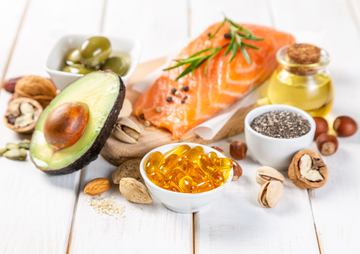
“I am the Alpha and the Omega, the beginning and the end…”Revelation 22:13 Now, I don’t think God was endorsing consumption of omega-3 fatty acids in this passage. However, it turns out omega-3s are one of God’s gifts to us. More than just a gift, they are absolutely essential—and I mean that even in the scientific way the word is used. We often hear the term “essential amino acid” or “essential nutrient”—this means our own bodies cannot produce this substance. We must find a source of it or perish. As for omega-6s, we’ve got an abundance of those in our modern diet. Omega-3s, on the other hand, are a little tougher to come by. But they have a very important role in reducing inflammation. Getting enough of them, in fact, could add years to your life! Understanding the Fatty Acid Family When you hear “Omega” in supplements, it truly does have the same meaning conveyed in the Bible. It means “the last.” In fatty acids, the term “Omega” refers to the last carbon in a chain of fatty acids, and the number—3, 6, or 9—tells you where the double bond (organic chemistry) appears. Each has its own role. For example, Omega-3s help create an anti-inflammatory signal and are crucial for health. Omega-6s tend to be pro-inflammatory which can be crucial in helping fight off infections etc. The ratio of omega-3 to omega-6 to some degree determines the levels of inflammation within our body. We want a good balance here so we can turn on and off information as needed. Unfortunately, our modern diet is awash in omega-6s so a lot of us are going around with painful unchecked inflammation. First, a Little Primer on the Types of Omega-3s Omega-3s come in three main forms: ALA (Alpha-Linolenic Acid): Found in flaxseeds, walnuts, and chia seeds. It can convert to the more useful forms below, but not efficiently (sadly, only about 5% max). EPA (Eicosapentaenoic Acid): The workhorse. Found in fatty fish like salmon and known for reducing inflammation and supporting heart and brain health. DHA (Docosahexaenoic Acid): Critical for brain function, vision, and reproductive health. The Omega-3 Longevity Equation: How Much Is Enough? Dr. William Harris, one of the leading experts on Omega-3s, has looked at Omega-3 index levels in red blood cells, and here’s what he found: If your Omega-3 index is 4% or lower, unfortunately, this is too low. Overall, he found that it reduces lifespan by about 5 years! At 8% or higher, you’re in much better shape longevity-wise. What do some of the health gurus do that focus on these parameters for a living? Peter Attia, who recently wrote the best-selling book Outlive, aims for around 12%. That’s not happening by accident—it takes about 2–3 grams of EPA/DHA per day to get there. How powerful are these omega-3s? Harris found that smokers with high Omega-3 levels had nearly the same lifespan as those non smokers with low omega-3 levels. In other words, from a lifespan standpoint low omega-3 levels can be as bad as smoking! Now of course smoking causes a whole host of problems and cancers, nonetheless it behooves us to get our Omega-3 levels up to a decent range. What Can Omega-3s Actually Do for You? Omega-3s are one of the most well-researched and impactful nutrients out there. Here’s what the science says: Cardiovascular health – Omega-3s help lower triglycerides, reduce blood pressure, improve arterial function, and lower the risk of sudden cardiac death. Brain function and neuroprotection – DHA makes up about 30% of the brain’s fatty tissue. Higher Omega-3 intake is linked to lower rates of Alzheimer’s and dementia. Mood and mental health – Clinical studies show Omega-3s can improve depression, anxiety, and even ADHD symptoms. Joint health and inflammation – Omega-3s help dampen chronic inflammation and ease joint pain in conditions like rheumatoid arthritis. Longevity – Higher Omega-3 levels are linked to a longer lifespan. Simple as that. Weight management – Omega-3s may aid in weight loss by reducing appetite and increasing metabolism. Some studies have shown that fish oil supplementation can enhance fat loss when combined with a healthy diet and exercise. Should Everyone try to get a good dose of Omega-3s daily? For most people, yes. But a few caveats: If you have a bleeding disorder or are on blood thinners, check with me first. Omega-3s can mildly thin the blood. If you’re already taking vitamin a, adding cod liver oil as the source of omega-3s can sometimes lead to hyper vitaminosis A, that is too much vitamin A. Also, If you’re eating too much Omega-6s (seed oils, processed food), fix that too. Omega-3s work best when your Omega-6 intake is not excessive. The Omega-3 vs. Omega-6 War: Why Your Diet is Working Against You Dr. Barry Sears, lipid researcher, has been highlighting this for years: we’re drowning in Omega-6s, thanks to industrial seed oils (soybean, corn, canola). Too much Omega-6 flow down the arachidonic acid pathway (biochemistry) which cranks up inflammation, while Omega-3s do the opposite—they reduce inflammation. That’s why Omega-3s help everything—heart, brain, joints, mood. They’re counteracting the daily inflammatory beating our bodies take from modern food. What’s the Best Source of Omega-3s? Fatty fish (salmon, sardines, mackerel) – high in EPA/DHA Fish oil supplements – easiest way to get a reliable dose Cod liver oil – great but watch the vitamin A content Algae oil – the only solid plant-based EPA/DHA option for those who are vegetarians. However this one tends to be more easily oxidized which is not good. What About Fish Oil Quality? Not all fish oils are created equal. Some key things to look for: Freshness matters. Oxidized (rancid) fish oil can be pro-inflammatory and harmful. Look for high EPA/DHA content per serving. Carlson’s and Nordic Naturals are solid choices. Glass bottles are better than plastic. Reduces oxidation risk. Refrigerate your omega-3s no matter what form. Most people leave them in a warm pantry, which accelerates spoilage. Is there a test? Yes, if you want to check your Omega-3 status, various tests are available. In fact there’s even a home check kit I saw recently on Amazon for around $55. If it tells you you are low, for example 4%, then a wise action would be to start supplementing with omega-3s. Final thoughts Omega-3 fatty acids are essential. They help to reduce inflammation and unfortunately are rather low in our day-to-day diet. Salmon and oily fish are an excellent source. However supplementation canalso be a consistent method of getting enough. Ongoing research continues to highlight the benefits. |


Leave a comment